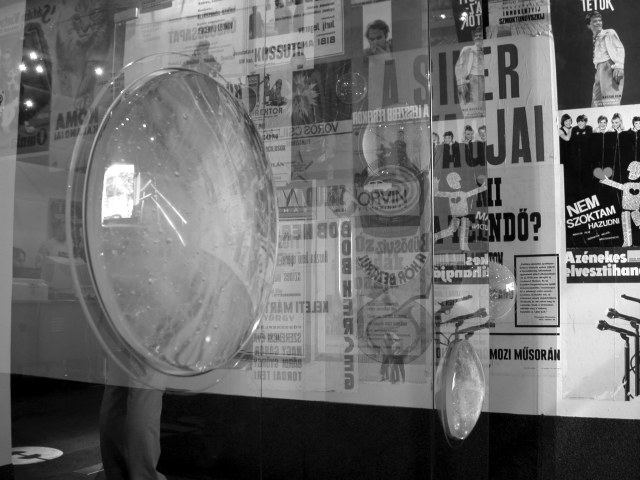
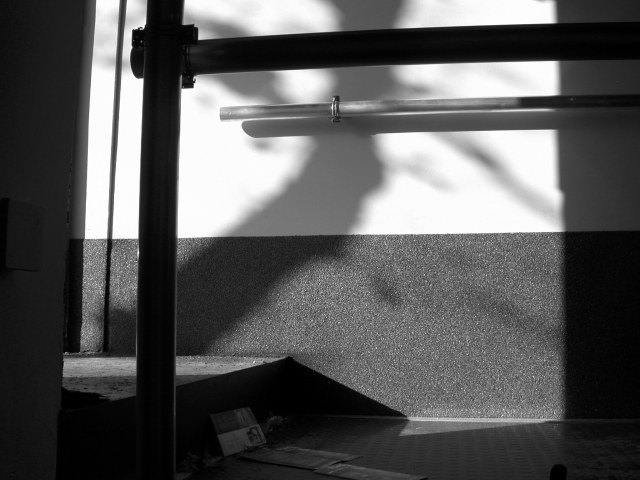
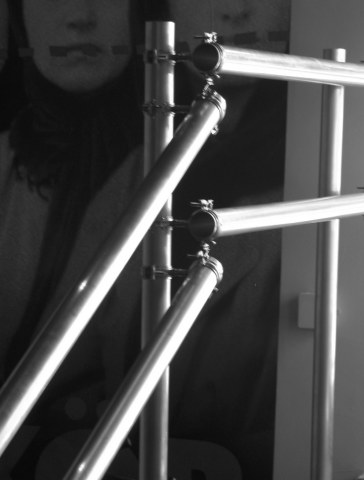

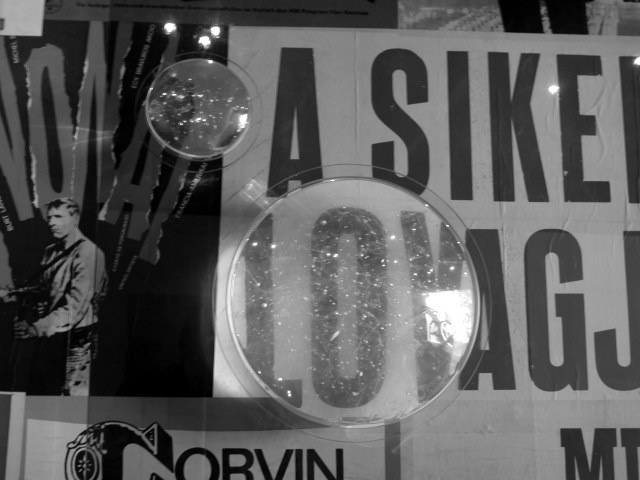

BUDAPEST, CIRKO GEJZÍR CINEMA INTERIOR DESIGN 2003
The cinema has been operated by the Másképp Foundation since 1993. The facility is Budapest’s smallest art cinema, a unique spot of the city with special programs. Since its foundation it has always provided opportunity for minorities and alternative groups for introduction. Over the years, its program has featured documentaries of the Roma holocaust and premiere screenings of young Roma filmmakers. The route of the Pride Parade has started here in several years; presentations introducing the problems of refugees and migrants were regularly held. The cinema hosts more film clubs every year, including the Jewish Woman’s Film Club, the Christian Youth Program, and the screenings of the Buddhist Academy. Visits from students of various school clubs, student film premieres, commemorations of the Holocaust and 1956 have been frequent.
The Foundation also manages the distribution of films from Mexico, Iran, and Japan that are unprofitable for mainstream cinemas. These films – just like the other events held in the cinema - touch upon subjects of different cultures, minorities, women’s issues, and differ from mainstream movies by having an individual approach and original visual style.
Péter Kis, Bea Molnár
Photo by: Péter Kis