

PERU, MACCHU PICHU LODGE COMPETITION 2003
The study was prepared for an international architectural competition.
Thesis: Flying – the loosing of the weight
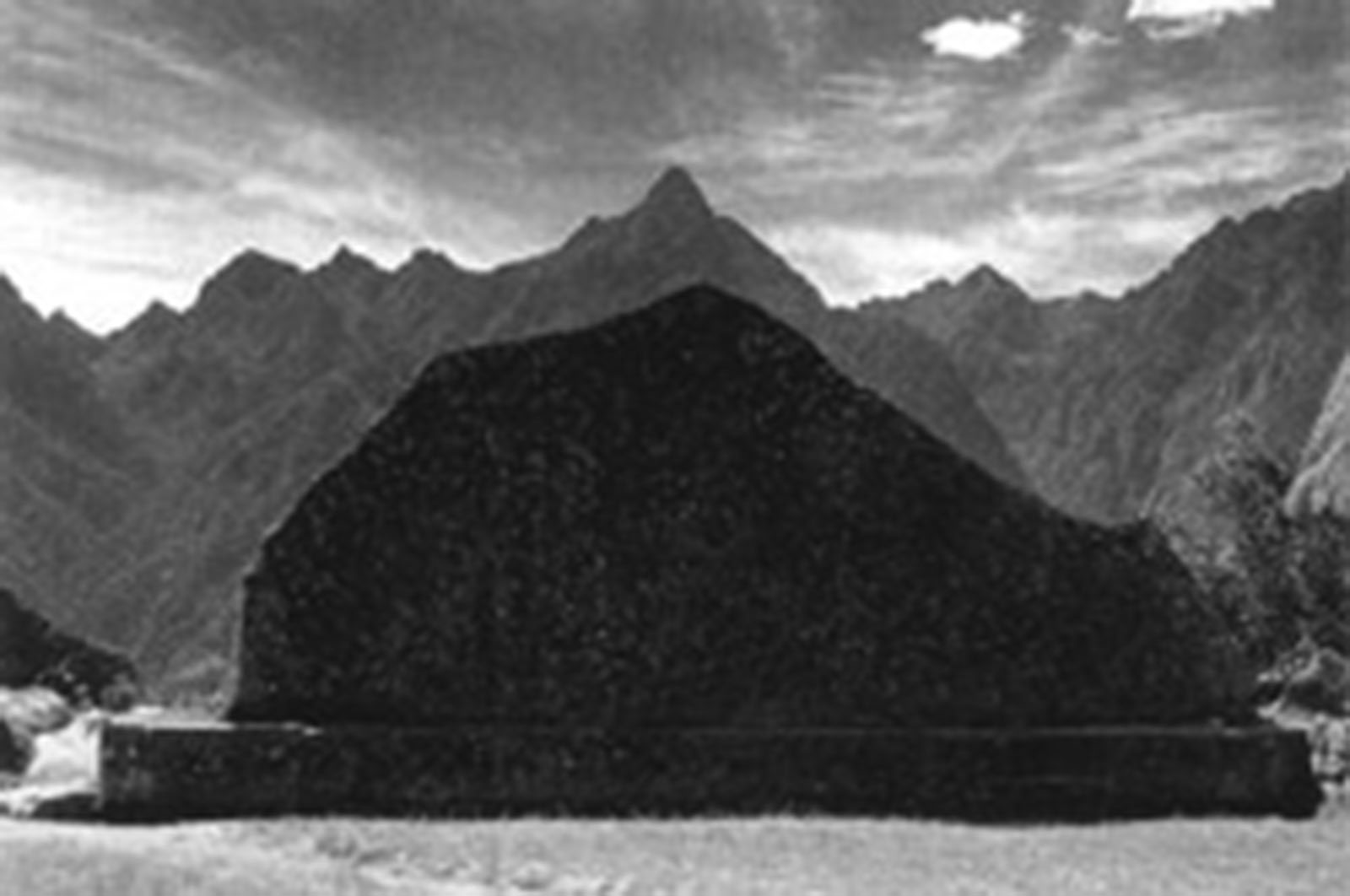
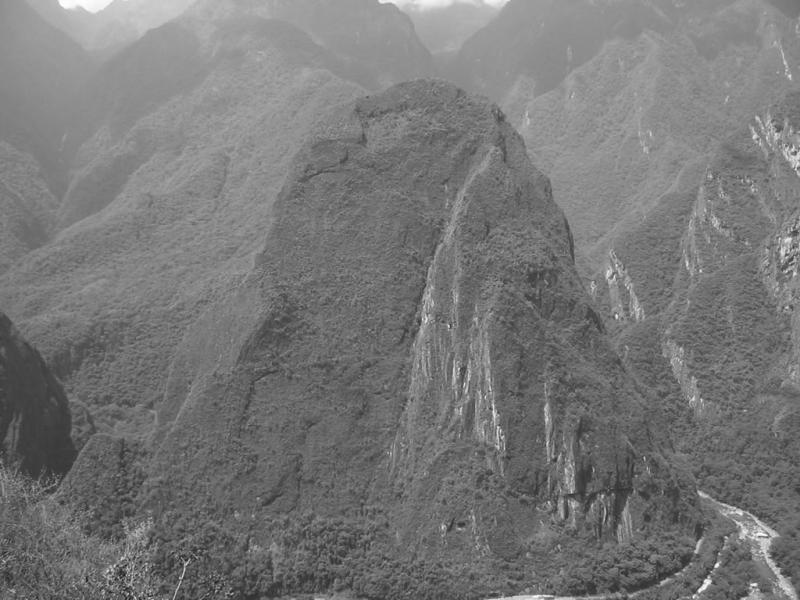
The condor, carved from the stone - the half man-made rock wings looming above the Machu Picchu - is an abstraction of aviation and the victory of the granite sculpture-building over gravitation at the same time. When standing on the pinnacles of the Andes, the illusion of flying can be perceived as real, and the presence of the huge rocks is indispensable to evoke this experience. This duality - the presence and the loosing of the weight, experienced simultaneously – was the inspiration of our plan.
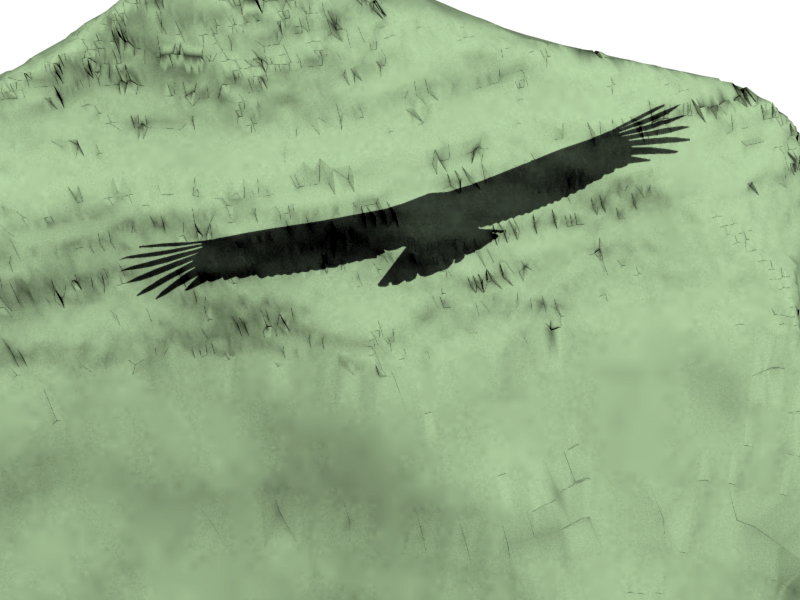
The essence of our concept: observed from a distance, the lodge should be perceived only as a gliding shadow on the rock wall.
Function
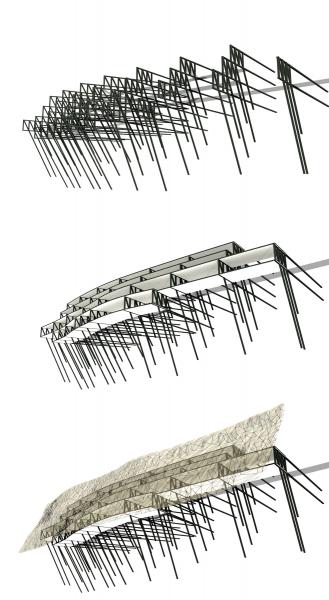
When reaching the cliff top, a path-bridge leads to the hostel's building. The building – “floating” in a few meters distance in front of the rock wall - is reinforced and anchored to the mountain by a steel structure of four bridges. The steel structure - covered, but open on the sides - also ensures the vertical access of the floors.
The building consists of four elongated blocks – four levels -, positioned in accordance with the strata of the mountain, slightly displaced from each other. Communal areas (reception, salon, restaurant) are located at the entrance level (level 2), with service units (kitchen, dressing rooms, laundry, storage) underneath. The two upper floors are occupied by the hotel rooms (10-10 double rooms with bathroom en suite); above the top floor, a roof-top terrace with a wide panorama is waiting the guests.
The visible façade of the hostel is constructed of a patinaed bronze polygon meshwork, stretched in front of the actual façade, recreating – looking as a shadow - the topography of the cliffs blocked-out by the building. With increasing the number of points (triangles), the polygon netting has the potential to imitate the original surface even to perfection; on the other hand, decreasing the number of points allows the rooms to open up towards the sight of the Machu Picchu. Moreover, the meshwork is more than a symbolic façade; it also serves important functional purposes: ensures the screening of the main façade, prevents the reflection glare of the large glass surfaces, and protects the birds from flying against the windows.
Structure
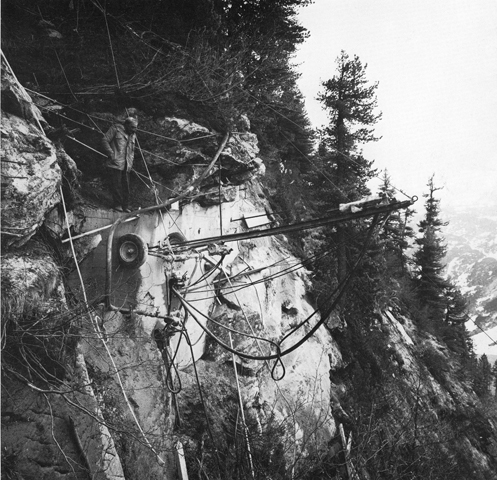
The primary fastening/holding structure is mounted on cylindrical supports, which are reinforced in holes drilled with special technology in the granite rock. The building has a mounted steel frame structure, the walls and ceilings are assembled using prefabricated building units and fittings. Towards the Machu Picchu and the rock, the walls of the rooms are made of frameless insulating glass structure; the solid walls are covered with bronze plates on the outside.
Peter Kis, Zsolt Alexa, Ivett Tarr
Visualization by: Zsolt Alexa